
Clear unwanted items without lifting, sorting, or making several trips to the dump. Our junk removal services provide a simple way to remove furniture, appliances, household clutter, renovation debris, and other bulky waste.
We handle the heavy work from start to finish. Our crew removes items from wherever they are located, loads the truck, cleans the work area, and sorts the material for donation, recycling, or proper disposal.
Whether you are clearing one room or an entire property, you receive a practical solution based on the size and type of your load.
Full-Service Junk Removal
Full-service junk removal is different from renting a bin. You do not need to move everything outside or load a container yourself. Our team enters the home, office, garage, storage room, or worksite and removes the approved items.
This service is a good fit when you:
- Have heavy or awkward items that are hard to move
- Need to clear a property by a set date
- Do not own a truck or trailer
- Want to avoid dump and recycling depot trips
- Need help sorting mixed loads
- Live in a condo or strata building with limited loading space
- Are managing a move, renovation, estate, or property sale
From a single couch to a complete property cleanout, the service can be matched to the amount of junk you need removed.
Junk Removal Services in BC
Comprehensive Junk Removal & Hauling Services in British Columbia.
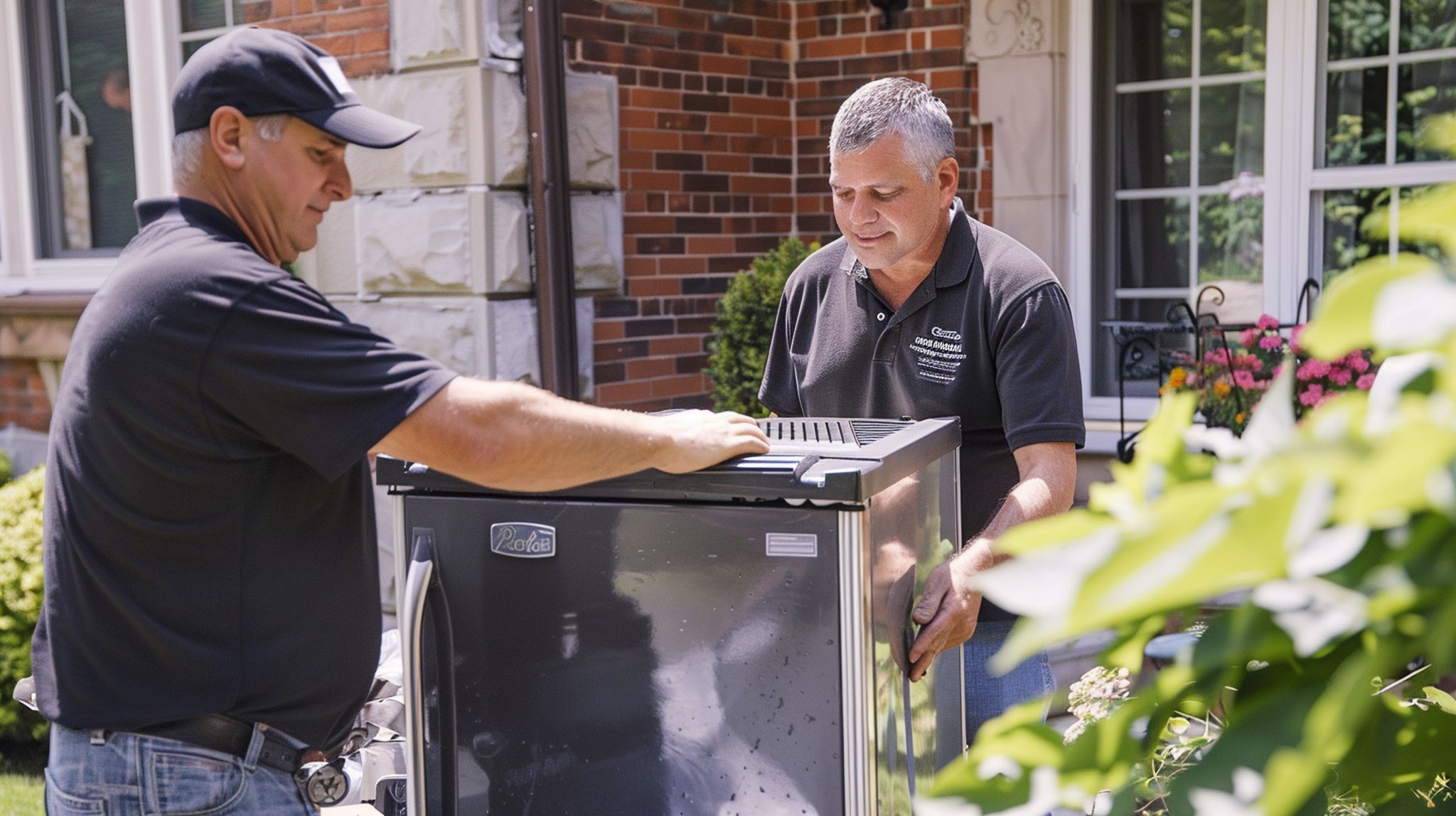



Couch Removal
Couch Removal & Disposal
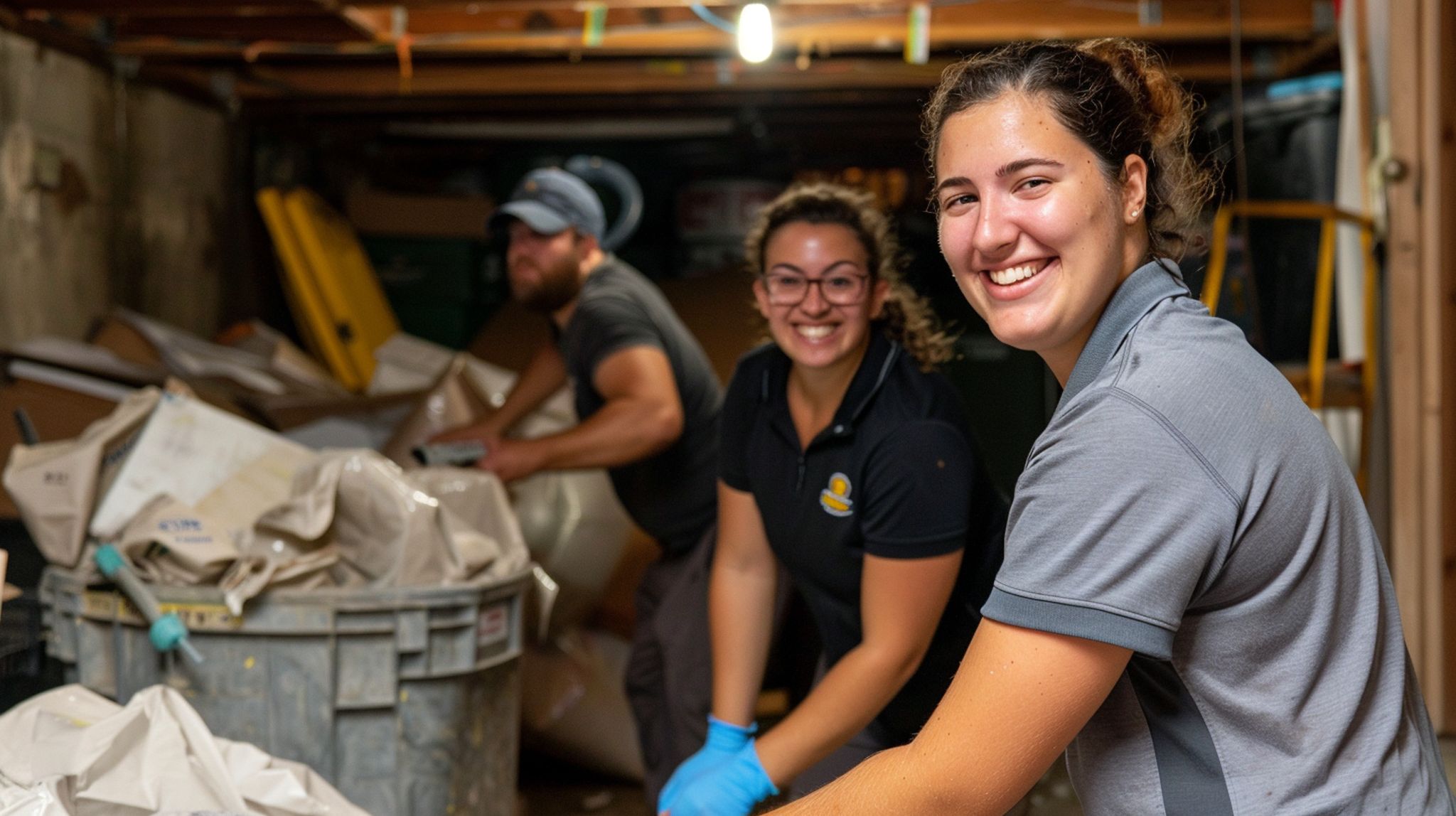
Basement & Attic Cleanouts
Attic & Basement Cleanouts

Dumpster Rentals
Dumpster Rentals
What Types of Junk Do We Remove?
Our junk hauling team can remove many common items from homes, rental properties, offices, retail spaces, and construction sites.
Household Junk and General Clutter
We collect unwanted items from basements, attics, spare rooms, garages, sheds, patios, and storage lockers. Common household loads include:
- Boxes, toys, books, and household goods
- Rugs, lamps, mirrors, and decorations
- Clothing and linens
- Exercise equipment
- Barbecues and patio items
- Bicycles and sporting goods
- Tools, shelving, and workbenches
- Bagged garbage and general clutter
Loose material may need to be placed in bags, boxes, or safe containers before it can be loaded.
Furniture Removal
Old furniture can be difficult to carry through narrow doors, stairways, and condo hallways. Our crew can remove furniture from its current location and take basic steps to protect the surrounding property.
We remove:
- Sofas, loveseats, and sectionals
- Tables, desks, and chairs
- Bed frames, mattresses, and box springs
- Dressers, cabinets, and bookcases
- Office furniture and filing cabinets
- Patio and outdoor furniture
- Entertainment units
- Damaged or worn furniture
Some usable furniture may be suitable for donation or reuse. Acceptance depends on its condition, local demand, and the rules of the receiving organization.
Appliance Removal
Large appliances are heavy and may contain parts or materials that require special handling. Appliance removal can include:
- Refrigerators and freezers
- Washers and dryers
- Stoves, ovens, and dishwashers
- Microwaves
- Portable air conditioners
- Dehumidifiers
- Hot water tanks
- Small household appliances
Refrigerators, freezers, and air conditioners may contain refrigerants. These appliances must be taken to an approved facility that can manage them correctly.
Before pickup, disconnect appliances from water, gas, and electrical systems. A qualified tradesperson should handle any disconnection that requires licensed work.
Electronics and E-Waste
Electronic waste should not be mixed with general landfill garbage. Many electronics contain metals, glass, plastics, and other parts that can be recovered through British Columbia recycling programs.
We can help remove items such as:
- Televisions and monitors
- Desktop and laptop computers
- Printers, scanners, and fax machines
- Stereos and speakers
- Phones and networking equipment
- Cables, chargers, and computer accessories
- Small electronic devices
Erase personal information from computers, phones, hard drives, and other storage devices before pickup. Ask about secure data destruction if you are clearing business electronics or devices that contain private records.
Yard Waste and Outdoor Junk
Outdoor cleanup can produce more material than a normal green bin can hold. Depending on local disposal rules, we may collect:
- Branches, leaves, and hedge trimmings
- Grass clippings and plant material
- Untreated wood
- Broken garden furniture
- Planters and landscaping items
- Old fencing
- Small amounts of soil or sod
- Empty garden sheds and outdoor storage items
Organic material is kept separate from garbage when a suitable local composting or green-waste facility is available. Invasive plants, diseased vegetation, stumps, soil, and oversized branches may require different handling.
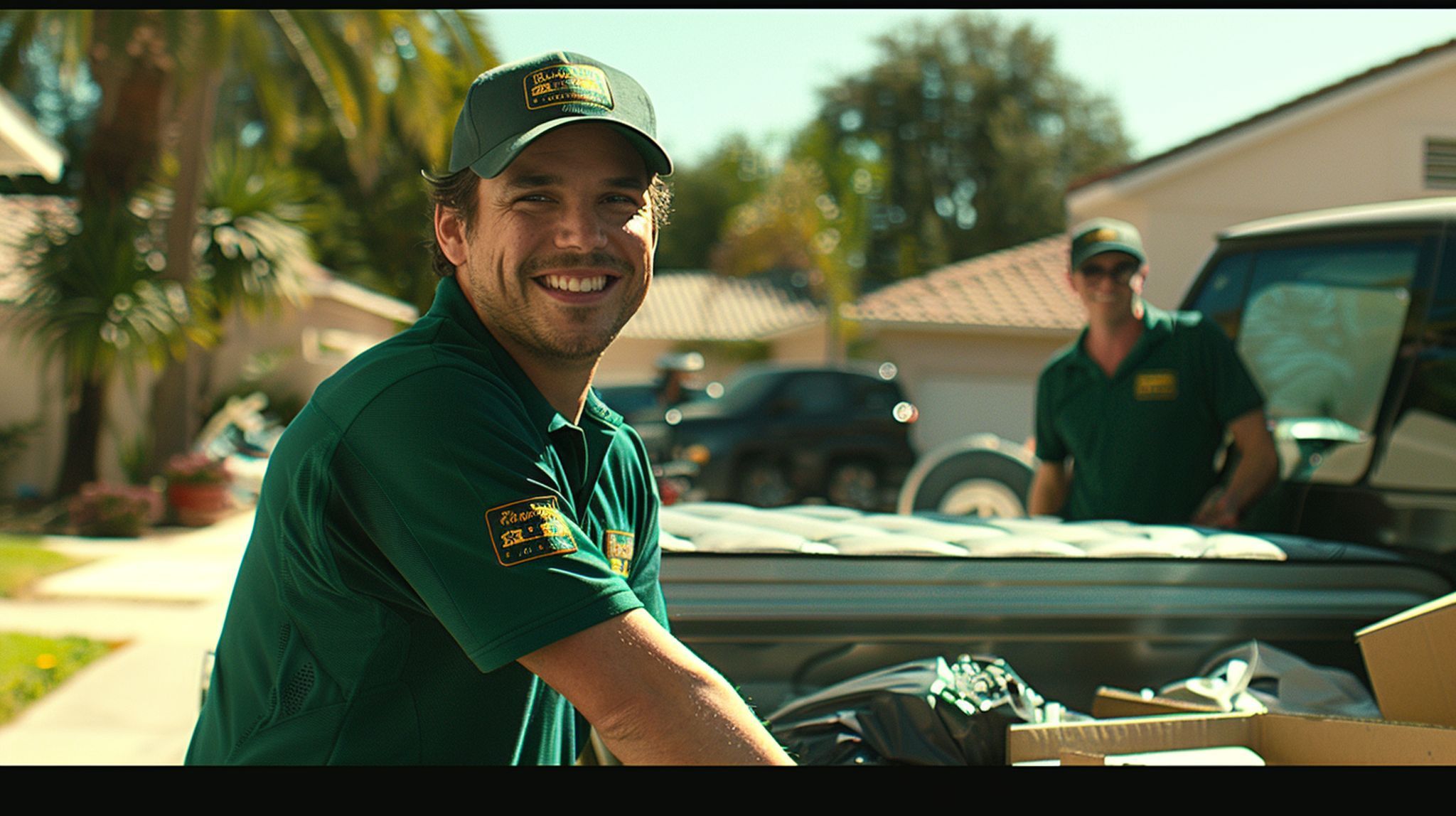
Residential Junk Removal and Property Cleanouts
Clutter can build up slowly or appear all at once after a major life event. Our residential junk removal service helps homeowners, tenants, landlords, real estate professionals, and families restore usable space.
Junk Removal for Condos and Strata Properties
Junk removal in Vancouver, Burnaby, Richmond, Surrey, Victoria, Kelowna, and other growing B.C. communities often involves apartments and strata buildings.
Before booking, ask your building manager about:
- Elevator reservations
- Approved moving hours
- Loading-zone access
- Hallway and floor protection
- Parking height limits
- Strata bylaws
- Required insurance documents
- Rules for items left near garbage rooms
Do not leave furniture or appliances beside a shared waste enclosure unless the building has approved it. Unplanned dumping can block access and create extra costs for residents.
Garage, Basement, and Attic Cleanouts
These areas often contain a mix of reusable goods, recycling, bulky objects, and waste. We can remove the items you identify while leaving anything you want to keep in place.
For a faster cleanout, separate personal documents, valuables, medication, keys, and family keepsakes before the crew arrives.
Moving and Downsizing
Moving is a useful time to decide what is worth packing. We can remove furniture, appliances, storage items, and general clutter before or after moving day.
A pre-move cleanout can help you:
- Reduce packing time
- Lower moving volume
- Prepare a property for photos or showings
- Clear storage rooms and garages
- Avoid leaving unwanted items for the next resident
Downsizing services can be completed in stages when a full cleanout feels overwhelming.
Estate Cleanout Services
An estate cleanout requires patience and clear communication. Families may need time to locate important papers, photographs, jewellery, financial records, and personal items before removal begins.
Our team can work from your instructions and remove the remaining furniture, household goods, appliances, recycling, and waste. Items with possible reuse value can be separated when local donation options are available.
We do not appraise antiques, collectibles, or other valuable property. When an item may have financial or personal value, have it reviewed before approving its removal.
Rental Property and Tenant Cleanouts
Landlords and property managers often need quick help after a move-out or eviction. We can clear abandoned furniture, bags, damaged contents, and other approved material so cleaning and repairs can begin.
Property owners should confirm that they have the legal right to remove the contents. Documents, identification, medication, and possible valuables should be set aside rather than discarded.
Hoarding Cleanouts
Hoarding situations can involve blocked rooms, heavy clutter, spoiled food, sharp objects, mould, pests, or unsafe floors. These projects need a careful plan.
Before work begins, we assess access, material volume, and possible hazards. Some properties may need pest control, hazardous-material testing, biohazard cleanup, or structural review before normal junk removal can start.
Commercial Junk Removal
Businesses need unwanted material removed with as little disruption as possible. Our commercial junk removal services can support offices, retail stores, restaurants, warehouses, strata properties, and property management teams.
Commercial pickups may include:
- Office desks, chairs, and cubicles
- Shelving and store fixtures
- Filing cabinets and storage systems
- Computers and electronic equipment
- Packaging and shipping material
- Non-hazardous warehouse contents
- Furniture from tenant improvements
- Items left in common areas or storage rooms
Pickup times can be planned around building access, customers, deliveries, and normal work hours. For office moves or closures, label anything that must stay before the crew arrives.
Condo and commercial buildings may require elevator bookings, loading-bay access, parking approval, or a certificate of insurance. Check the building’s rules before scheduling service.
Renovation and Construction Debris Removal
Small renovation projects can create dense, sharp, and dusty waste. Our construction debris removal service can help clear material from repairs, remodels, landscaping work, and tenant improvements.
Accepted material may include:
- Drywall and plaster
- Lumber and plywood
- Flooring and carpet
- Cabinets and countertops
- Plumbing fixtures
- Metal and wiring
- Doors and trim
- Concrete, brick, and tile
- Packaging and renovation waste
Heavy materials are often priced differently because they affect truck weight and disposal fees. Concrete, soil, roofing, drywall, and masonry should be identified when requesting your estimate.
Asbestos and Suspect Building Materials
Do not disturb old drywall compound, vinyl flooring, ceiling texture, pipe insulation, vermiculite, cement board, or other material that may contain asbestos.
WorkSafeBC advises homeowners to have a home tested for asbestos before renovation or demolition work begins. This is especially important in buildings constructed before 1990. Suspect material must be assessed before it is moved.
Asbestos removal is not standard junk hauling. In British Columbia, asbestos abatement contractors must be licensed, and workers performing building-related asbestos abatement must have WorkSafeBC certification. If testing confirms asbestos, use a qualified abatement provider.
Bulky and Specialty Item Removal
Some objects need extra crew members, tools, disassembly, or planning. Tell us about large items before booking so we can confirm access and service requirements.
Specialty removals may include:
- Hot tubs
- Pianos and organs
- Pool tables
- Large safes
- Play structures
- Exercise machines
- Oversized office equipment
- Sheds and small outdoor structures
Disconnect power, gas, water, or plumbing before pickup. Some items must be drained, dismantled, or made safe by a qualified professional.
What We Cannot Take
BC law is strict about hazardous waste, and for good reason. We are not able to haul:
- Asbestos-containing material, including old vermiculite insulation, some vinyl flooring, and certain textured ceilings
- Paint, solvents, motor oil, antifreeze, and pool chemicals
- Propane tanks, fuel cans, and pressurized cylinders
- Ammunition, fireworks, or explosives
- Biohazards, medical sharps, and contaminated soil
- Prescription medications
If your project involves a building constructed before 1990, WorkSafeBC requires a qualified hazardous materials survey before demolition or renovation begins. We will let you know if we spot something of concern and can point you toward the right specialist. Household hazardous waste can go to a Product Care Recycling depot, and unused medications go back to a pharmacy through the Health Products Stewardship Association.

How Junk Removal Works
Our process is designed to make pickup clear and easy.
- Describe the load. Tell us what needs to go, where it is located, and whether stairs, elevators, gates, or long carrying distances are involved. Photos can help with an early estimate.
- Choose a pickup time. We arrange a service window based on crew and truck availability. Ask about urgent or same-day junk removal when time is limited.
- Review the on-site price. The crew confirms the load and provides the price before removal starts. If the amount changes, the revised cost should be approved first.
- Point to the items. Show the crew what should be removed. You do not need to carry approved items outside.
- We load and sort. The crew removes the material, loads it safely, and separates items when practical.
- We sweep the cleared area. After loading, we complete a basic cleanup of the work area.
Make sure an authorized adult is present or provide clear access and written removal instructions before the appointment.
How Much Does Junk Removal Cost?
Junk removal prices depend on the space used in the truck and the work needed to remove the load. A clear quote should explain what is included.
Common price factors include:
- Load volume: How much truck space the items take
- Material weight: Concrete, soil, tile, and roofing can be costly to transport
- Labour: Crew size and loading time
- Access: Stairs, elevators, narrow halls, long carries, or limited parking
- Disposal fees: Charges set by transfer stations and recycling facilities
- Special handling: Refrigerants, mattresses, tires, electronics, and similar items
- Travel: Distance, remote access, and possible ferry costs
- Disassembly: Extra work needed for hot tubs, furniture, or outdoor structures
Small pickups may have a minimum service charge. Larger jobs may be priced by a portion of the truck, a full load, labour time, or material weight.
For a more useful estimate, send photos and include:
- A list of the main items
- The pickup address or community
- The floor or level where the items are located
- Details about stairs and elevator access
- Parking or loading restrictions
- Any heavy, hazardous, or unusual material
The final price should be confirmed before loading begins.
Responsible Eco-Friendly Junk Disposal in British Columbia
Good junk removal is more than taking everything to a landfill. Materials should follow the most suitable path based on their condition, local facilities, and provincial requirements.
Our sorting approach follows a practical order:
- Reuse: Keep working products and useful materials in service.
- Donate: Direct suitable goods to organizations that can accept them.
- Recycle: Separate metals, electronics, cardboard, appliances, and other accepted material.
- Recover: Use approved recovery programs where recycling is not possible.
- Dispose: Take the remaining waste to an authorized transfer station or disposal facility.
British Columbia uses Extended Producer Responsibility programs for several product groups. These programs support the collection and management of items such as electronics, batteries, paint, tires, beverage containers, and used oil products.
Donation and recycling cannot be guaranteed for every item. Furniture may be rejected because of stains, damage, odours, pests, missing parts, or limited local demand. Recycling choices also vary between regional districts and receiving facilities.
Local Disposal Rules Matter
Waste services are managed through different municipalities, regional districts, stewardship programs, and private facilities. An item accepted in one part of British Columbia may need a different destination in another.
Rules can vary across Metro Vancouver, the Fraser Valley, Vancouver Island, the Okanagan, the Interior, the Kootenays, and Northern British Columbia. Disposal fees and sorting rules can also change based on the facility.
A responsible junk removal company should know where each material can be taken and avoid illegal dumping. It should also provide a clear answer when an item requires a specialist rather than standard hauling.
How to Prepare for Your Pickup
You do not need to move heavy items to the curb. A few simple steps can make the appointment safer and faster:
- Mark or group the items that should go
- Remove money, jewellery, documents, medication, and personal data
- Empty refrigerators, freezers, drawers, and cabinets
- Secure pets in another room
- Clear snow, ice, vehicles, and loose objects from access routes
- Reserve the elevator or loading area when required
- Tell the crew about sharp objects, leaks, pests, or damaged flooring
- Arrange licensed disconnection of gas, water, or hardwired equipment
- Keep children away from the loading area
If you are not sure whether an item can be removed, include it in your photos or item list before the appointment.
Choosing a Junk Removal Company
The lowest quote is not always the best value. Ask how the company handles your property, workers, and discarded material.
A professional provider should offer:
- Clear pricing before work starts
- An explanation of labour and disposal charges
- Commercial liability insurance
- WorkSafeBC coverage when required
- Trained and identifiable crew members
- Safe lifting and loading procedures
- Proper disposal at authorized facilities
- Honest limits for hazardous or regulated waste
- A written invoice or receipt
- Respect for your home, neighbours, and building rules
Be cautious if a hauler will not explain where the load is going. Improper disposal can harm public land and may create risk for the person who hired the service.
Frequently Asked Questions (FAQ)
1. How much does junk removal cost in British Columbia?
Most companies charge by volume, meaning how much space your items take up in the truck. A minimum load, roughly the size of a couch and a few boxes, often starts around $150. A full truck can run $600 or more. Heavy materials like concrete, soil, and roofing shingles add weight surcharges because tipping fees at BC landfills are billed by the tonne. Always get an on-site quote before loading begins.
2. Is junk removal cheaper than renting a bin?
It depends on the job. A bin rental costs less per cubic yard, but you supply the labour and the bin sits on your property for days. Bin rentals in Metro Vancouver also often need a street use permit if placed on a road or boulevard. Full-service removal costs more upfront but includes lifting, loading, sorting, and disposal in one visit. For loads under three cubic yards, junk removal is usually the better value.
3. Do I need a permit to put a disposal bin on the street?
Yes, in most BC municipalities. Cities including Vancouver, Burnaby, Victoria, and Kelowna require a street occupancy or encroachment permit for any bin placed on a public road, lane, or sidewalk. Fees vary by city and duration. Bins on private driveways generally do not need permits. Full-service junk removal avoids the issue entirely because the truck parks briefly and leaves the same day.
4. What items can junk removal companies not take?
Regulated materials are off limits. That includes asbestos, propane tanks, gasoline, solvents, pesticides, wet paint, motor oil, ammunition, and medical or biohazardous waste. These fall under household hazardous waste rules and need special handling. Product Care Recycling depots across BC accept paint, pesticides, and flammable liquids at no charge. Used oil and antifreeze go to BCUOMA collection sites. Tell your hauler what is in the pile when booking.
5. Why do BC landfills refuse drywall from older homes?
Joint compound made before 1990 frequently contained asbestos. Transfer stations and landfills across the province will not accept drywall from pre-1990 buildings without lab results proving it is asbestos-free. WorkSafeBC also requires a hazardous materials survey by a qualified person before renovating or demolishing any building built before 1990. Skipping this step can trigger a stop-work order and rejected loads at the scale house.
6. What happens to my junk after it is picked up?
Loads get sorted rather than dumped straight into a hole. Metal goes to scrap dealers. Electronics enter BC’s Return-It stewardship stream. Large appliances go through Unplugged, formerly the Major Appliance Recycling Roundtable. Usable furniture and building materials head to charities like the Habitat for Humanity ReStore or the Salvation Army. Only genuine waste reaches facilities like the Vancouver Landfill in Delta or the Waste-to-Energy Facility in Burnaby.
7. Can you remove a fridge or freezer?
Yes. Fridges, freezers, and air conditioners contain ozone-depleting refrigerants that must be recovered by a certified technician before the unit is scrapped. Releasing them is illegal under federal and provincial environmental rules. Reputable haulers route these appliances through licensed processors and pay the refrigerant recovery fee, which is usually built into the quote. Never leave an old fridge at the curb hoping it disappears.
8. How does Metro Vancouver’s disposal ban affect my load?
Metro Vancouver applies surcharges to loads containing banned materials, including recyclable cardboard, clean wood, drywall, metal, food scraps, and electronics. Penalties can add a significant percentage to the disposal bill. This is the main reason cheap quotes sometimes turn into surprise charges. Companies that pre-sort their loads at a facility before tipping avoid these fees, which keeps your price stable and predictable.
9. Do you offer same-day junk removal?
Same-day and next-day service is commonly available across Metro Vancouver, the Fraser Valley, and Greater Victoria. Availability tightens at month end, when moving traffic peaks, and on summer weekends. Communities in the Sea to Sky corridor, the Sunshine Coast, and the Okanagan may need an extra day because of travel time. Booking a morning slot generally gives you the best chance of same-day service.
10. Do I have to be home during the pickup?
Not always. For garage, yard, driveway, or curbside piles, many jobs run on photo estimates with phone approval and electronic payment. Interior work usually requires someone to provide access, especially in strata buildings where elevator bookings and loading bay rules apply. Property managers often arrange access for tenant cleanouts. Confirm arrangements when booking so the crew is not left waiting outside.
11. Can you take a single mattress?
Yes. Single-item pickups are among the most common bookings. Mattresses and box springs are banned from several BC landfills and carry recycling fees at others. Proper processors strip out the steel springs, foam, felt, and wood frame for separate recycling. Illegally dumped mattresses are a persistent problem in BC, and municipalities including Surrey and Vancouver issue substantial fines to property owners linked to dumped items.
12. How do you handle estate and hoarding cleanouts?
These jobs need patience and discretion. Estate cleanouts often follow a death, and family members may still be sorting through belongings. Hoarding cleanups can involve health and safety hazards, including mould, pests, or blocked exits. Crews work room by room, set aside documents, photographs, and valuables for review, and pace the work over multiple days when needed. Everything is kept confidential.
13. What does yard waste removal include?
Branches, hedge trimmings, grass, leaves, sod, soil, stumps, old fencing, deck boards, and rotting sheds. Most BC regions require green waste to be separated from garbage, and clean organics tip at lower rates than mixed loads. Soil and stumps are heavy, so they usually price by weight. Note that invasive plants like Japanese knotweed have special disposal rules in many regional districts and cannot be composted normally.
14. Can you remove a hot tub or shed?
Yes, though both require demolition rather than simple lifting. A hot tub must be drained, disconnected from its electrical supply by the homeowner or an electrician, and cut into sections for transport. Sheds are dismantled on site, with wood, metal, and shingles separated. Both jobs need a crew of two or three and several hours. Pricing reflects labour and volume, so ask for an on-site estimate.
15. Do you serve Vancouver Island and the Interior?
Coverage across BC varies by company. Most operators serve one region well rather than the whole province. Service is widely available in Victoria, Saanich, Langford, Nanaimo, and the Comox Valley, and throughout the Okanagan in Kelowna, Vernon, and Penticton, plus Kamloops. Ferry crossings and highway distance affect scheduling and price for remote or coastal communities, so book earlier if you are outside a major centre.
16. Should I check if a junk removal company is insured?
Absolutely. Ask for proof of liability insurance and active WorkSafeBC coverage before anyone enters your property. If an uninsured worker is injured while carrying a piano down your stairs, you could face significant exposure. WorkSafeBC clearance letters can be verified online in minutes. Also confirm the company holds a valid municipal business licence in the city where the work will happen.
17. What is the risk of hiring an unlicensed hauler?
Cheap operators sometimes dump loads in ravines, forest service roads, or industrial lots instead of paying tipping fees. Illegal dumping is prosecuted under the Environmental Management Act, and investigators trace loads back through paperwork and discarded mail. Property owners have been fined for waste linked to their address. Ask for a disposal receipt from a named facility. Legitimate companies provide one without hesitation.
18. Can you clear out a rental unit after a tenant leaves?
Yes, and this is common work for landlords and property managers. Under the BC Residential Tenancy Act, landlords must follow specific rules for storing or disposing of a tenant’s abandoned belongings, including value thresholds and required storage periods. Document the unit with photographs and check your obligations before scheduling removal. We can work around your timeline once the legal waiting period has passed.
19. Do you provide commercial junk removal?
Yes. Offices, retail spaces, restaurants, warehouses, construction sites, and strata common areas all generate waste that regular collection will not take. Commercial work often runs after hours or on weekends to avoid disrupting customers and staff. Larger renovation projects in Metro Vancouver may fall under construction and demolition waste diversion requirements tied to demolition permits, so keep your disposal receipts for the city.
20. How can I lower my junk removal bill?
Sort before the truck arrives. Pull out anything a charity would accept, then take beverage containers, electronics, batteries, and paint to Return-It or Product Care depots yourself, since those are free to drop off. Break down furniture and stack items tightly to reduce volume. Separate clean wood and metal from mixed garbage. Combining a neighbour’s items into one booking also spreads the minimum charge across two households.
Service Areas in British Columbia
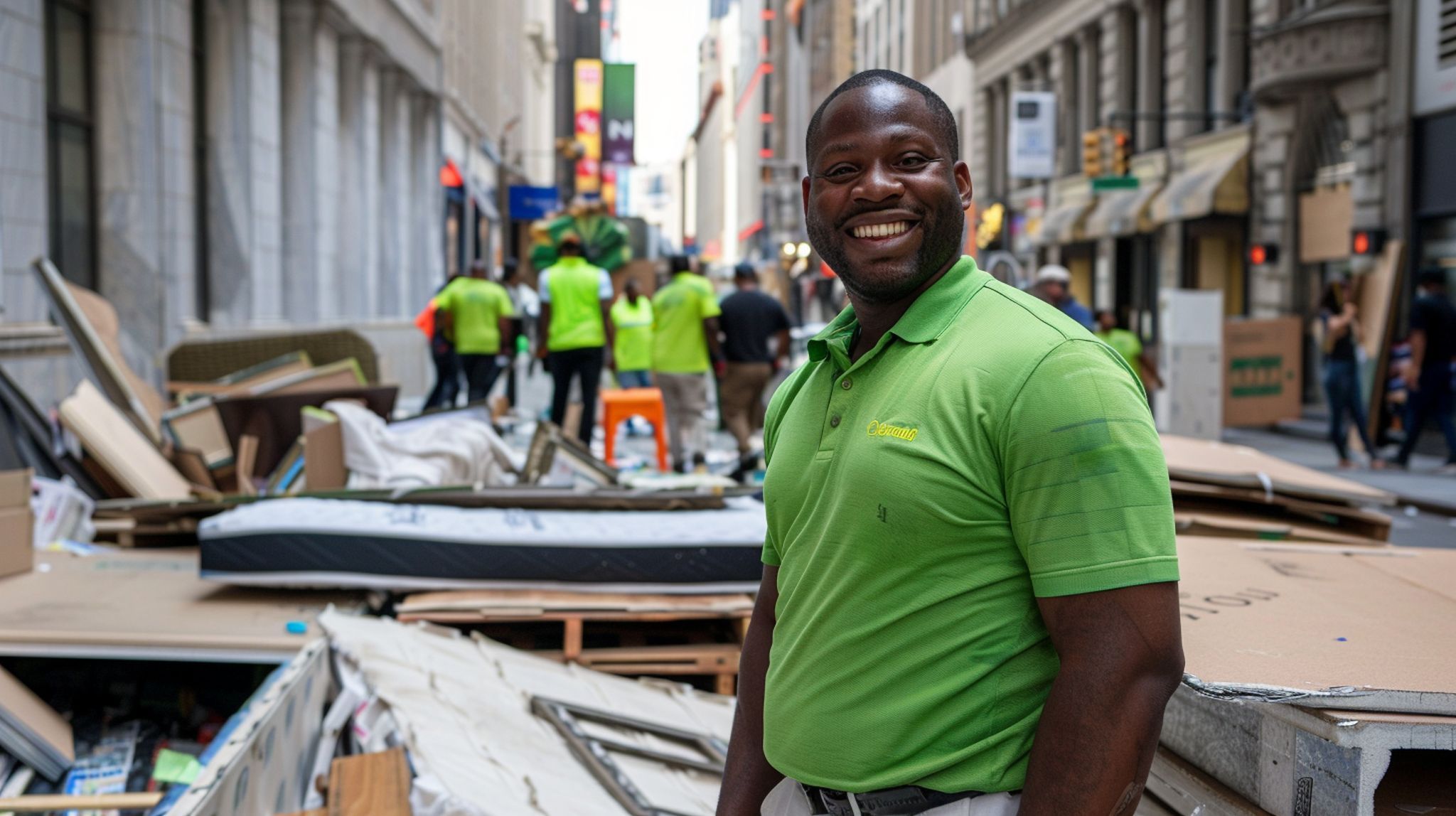


Junk Removal Experts Can Take Almost Anything
Appliances
Get rid of your old appliances.
- Refrigerators
- Freezers
- Stoves & Ovens
- Dishwashers
- Washing Machines (Washers)
- Dryers
- Water Heater Tanks
- Televisions
- Computers & PCs
- Hot Tubs & Spas
- Microwaves
Furniture
Watch your old furniture disappear.
- Old Furniture
- Mattresses
- Box Springs
- Bed Frames
- Couches & Sofas
- Tables
- Desks
- Bookshelves
- Dressers & Drawers
- Pianos
Other Unwanted Junk Items
Clean out unwanted {clutter|garbage|trash}.
- Household Junk Items
- Bathtubs
- Carpets & Flooring
- Concrete
- Drywall
- Renovation Debris
- Scrap Metal & Wood
- Yard Waste
- Electronics & E-Waste
- Junk Cars & Old Tires
